

4.8 Google Rating
Court Marriage Registration in India: Fast, Legal and Hassle-Free
Court marriage is a civil marriage solemnised and registered under the Special Marriage Act, 1954, before a government-appointed Marriage Officer. It is open to any two consenting adults regardless of religion, caste or nationality, and produces a marriage certificate that is conclusive legal proof across India and abroad.
PropResolve connects you with verified lawyers across India to handle the entire process end to end, from notice filing and affidavits to the 30-day notice period and solemnisation, with dedicated support for inter-faith couples, NRIs and foreign nationals. Explore our related Will Drafting and Registration service and Legal Heir Certificate service.

1,200+ Matters Resolved
Statutory Compliance
Verified Lawyers
Confidential & Secure
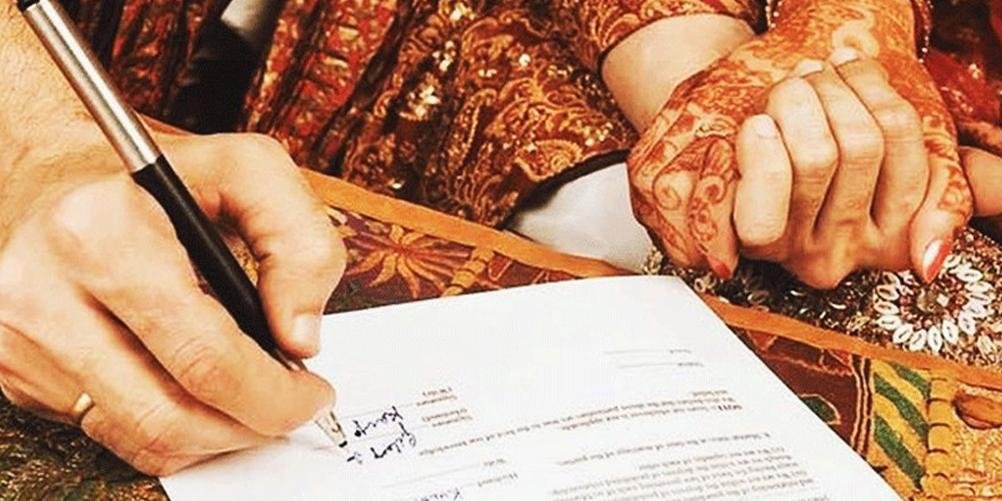
A Civil Marriage Recognised Across India and Abroad
A court marriage under the Special Marriage Act, 1954 is a fully legal marriage that does not require any religious ceremony or conversion. It is the preferred route for inter-faith and inter-caste couples, for couples who want a clean civil record, and for marriages involving an NRI or foreign-national spouse. The resulting certificate is accepted for visas, name changes, banking, insurance and inheritance.

Why You Need a Registered Court Marriage
- Legal Proof of Marriage: A marriage certificate is conclusive proof recognised across India and abroad.
- Spouse Visa and Immigration: Required for dependent and spouse visa applications.
- Name and Record Updates: Needed to update passport, bank, insurance and official records.
- Joint Finances: Open joint accounts, nominate your spouse and claim insurance.
- Inheritance and Succession Rights: Establishes spousal rights to property and benefits.
- Inter-Faith and Inter-Caste Couples: A civil route that requires no religious conversion.
Eligibility and the Special Marriage Act, 1954
To marry under the Special Marriage Act, 1954, the groom must be at least 21 years old and the bride at least 18, both must be of sound mind and capable of valid consent, neither may have a living spouse, and the parties must not fall within the degrees of prohibited relationship. The process centres on a 30-day notice of intended marriage filed with the Marriage Officer. Depending on your situation, marriages in India are registered under different laws:

| Marriage Law | Best For |
|---|---|
| Special Marriage Act, 1954 | Civil court marriage between any two adults, including inter-faith, inter-caste, and foreign-national couples |
| Hindu Marriage Act, 1955 | Registration of an already-solemnised Hindu, Buddhist, Jain or Sikh marriage |
| Indian Christian Marriage Act, 1872 | Marriages where one or both parties are Christian |
| Parsi Marriage and Divorce Act, 1936 | Marriages within the Parsi Zoroastrian community |
| State Muslim Marriage Registration Rules | Civil registration of a Nikah under applicable state rules |
Documents Required for Court Marriage Registration

- Age proof of both parties (birth certificate, Class 10 marksheet or passport)
- Identity proof of both parties (Aadhaar, PAN, passport or voter ID)
- Residential address proof (at least one party residing 30+ days in the district)
- Recent passport-size photographs of both parties
- Affidavit of date of birth, marital status and nationality
- Three witnesses, each with identity and address proof
- For divorcees: a certified copy of the divorce decree
- For widows or widowers: the death certificate of the former spouse
- For foreign nationals: passport, valid visa and a No Impediment Certificate from the embassy
Timeline
Estimated Timeline: A court marriage under the Special Marriage Act requires a 30-day notice period, so the process usually completes in 30 to 45 days. Registration of an already-solemnised marriage under the Hindu Marriage Act is faster and, in some states, available on a same-day or Tatkal basis.
Our 6-Step Court Marriage Process
Step 1: Free Consultation
We confirm your eligibility and the correct route, either a court marriage under the Special Marriage Act or registration of an existing religious marriage.
Step 2: Document Preparation
We compile age, identity and address proofs and draft the required affidavits to avoid rejection.
Step 3: Notice of Intended Marriage
We file the notice with the Marriage Officer of the district where at least one party has resided for 30 days or more.
Step 4: 30-Day Notice Period
The statutory notice is displayed for objections. We track the period and handle any objection that is raised.
Step 5: Solemnisation
The marriage is solemnised before the Marriage Officer and three witnesses once the notice period is complete.
Step 6: Certificate Issuance
The marriage certificate is issued as conclusive legal proof, with copies delivered to you and apostille support if needed.
Court Marriage vs Religious Marriage Registration
| Feature | Court Marriage (Special Marriage Act 1954) | Marriage Registration (Hindu Marriage Act 1955) |
|---|---|---|
| Nature | Civil marriage solemnised before a Marriage Officer | Registration of an already-solemnised religious marriage |
| Religion | Any religion, inter-faith and inter-caste allowed | Both parties Hindu, Buddhist, Jain or Sikh |
| Notice Period | 30-day public notice required | No notice period, often same-day or Tatkal in some states |
| Witnesses | Three witnesses | Two to three witnesses |
| Best For | Inter-faith couples, foreign-national spouse, no prior ceremony | Couples already married in a religious ceremony |
Source: Special Marriage Act 1954 and the Hindu Marriage Act, 1955. Planning ahead as a couple? See our Will Drafting and Registration service.
Court Marriage for NRIs and Foreign Nationals
For NRIs, OCI card holders and foreign nationals, marrying in India involves extra documentation and tight timelines around the 30-day notice. The Special Marriage Act, 1954 expressly allows a marriage where one party is a foreign national, and PropResolve manages the entire process so you do not waste a single day of your visit.
Our NRI and foreign-national service covers:
- Eligibility review and the correct route under the Special Marriage Act
- Affidavit drafting and document vetting for both Indian and foreign documents
- Guidance on the No Impediment Certificate or single-status certificate from your embassy
- Apostille and attestation support for foreign-issued documents
- Notice filing, 30-day period tracking, and witness coordination
- Apostille of the final marriage certificate for use abroad and spouse-visa applications
Whether you hold an OCI card or a foreign passport, your marriage in India is fully protected under the Special Marriage Act, 1954. Explore related services: Will Drafting and Registration | Legal Heir Certificate | Succession Certificate | About PropResolve.

Features
- End-to-end handling of notice filing and the 30-day notice period.
- Coordination of three witnesses for solemnisation.
- Affidavit drafting and document vetting to avoid rejection.
- Dedicated support for inter-faith, inter-caste, NRI and foreign-national couples.
Frequently Asked Question
Court marriage is a civil marriage solemnised before a government-appointed Marriage Officer under the Special Marriage Act, 1954. It is valid for any two consenting adults regardless of religion or caste and does not require a religious ceremony or conversion.
The Special Marriage Act requires a 30-day notice period, so a court marriage usually completes in 30 to 45 days. Registration of an already-solemnised marriage under the Hindu Marriage Act is faster and, in some states, available on a same-day or Tatkal basis.
The groom must be at least 21 years old and the bride at least 18. Both must be of sound mind, capable of valid consent, free of a living spouse, and not within the degrees of prohibited relationship.
Yes. The Special Marriage Act, 1954 is a civil law that allows marriage between any two adults without religious conversion, which makes it the standard route for inter-faith and inter-caste couples.
Yes. The Special Marriage Act allows a marriage where one party is a foreign national, with additional documents such as a passport, valid visa and a No Impediment Certificate from the embassy. PropResolve manages the full process so you do not lose time during your visit.
Three witnesses, each with valid identity and address proof, are required for solemnisation under the Special Marriage Act. We can help coordinate witnesses where needed.
Yes. A marriage certificate issued under Indian law is recognised internationally and is accepted for spouse-visa and immigration purposes. It can be apostilled for use in other countries, which we assist with.
Both parties must appear before the Marriage Officer for the notice and for solemnisation. PropResolve handles all documentation, affidavit drafting, filing and coordination so your in-person time is kept to a minimum.